
Diabetic Neuropathy

DIABETIC NEUROPATHY
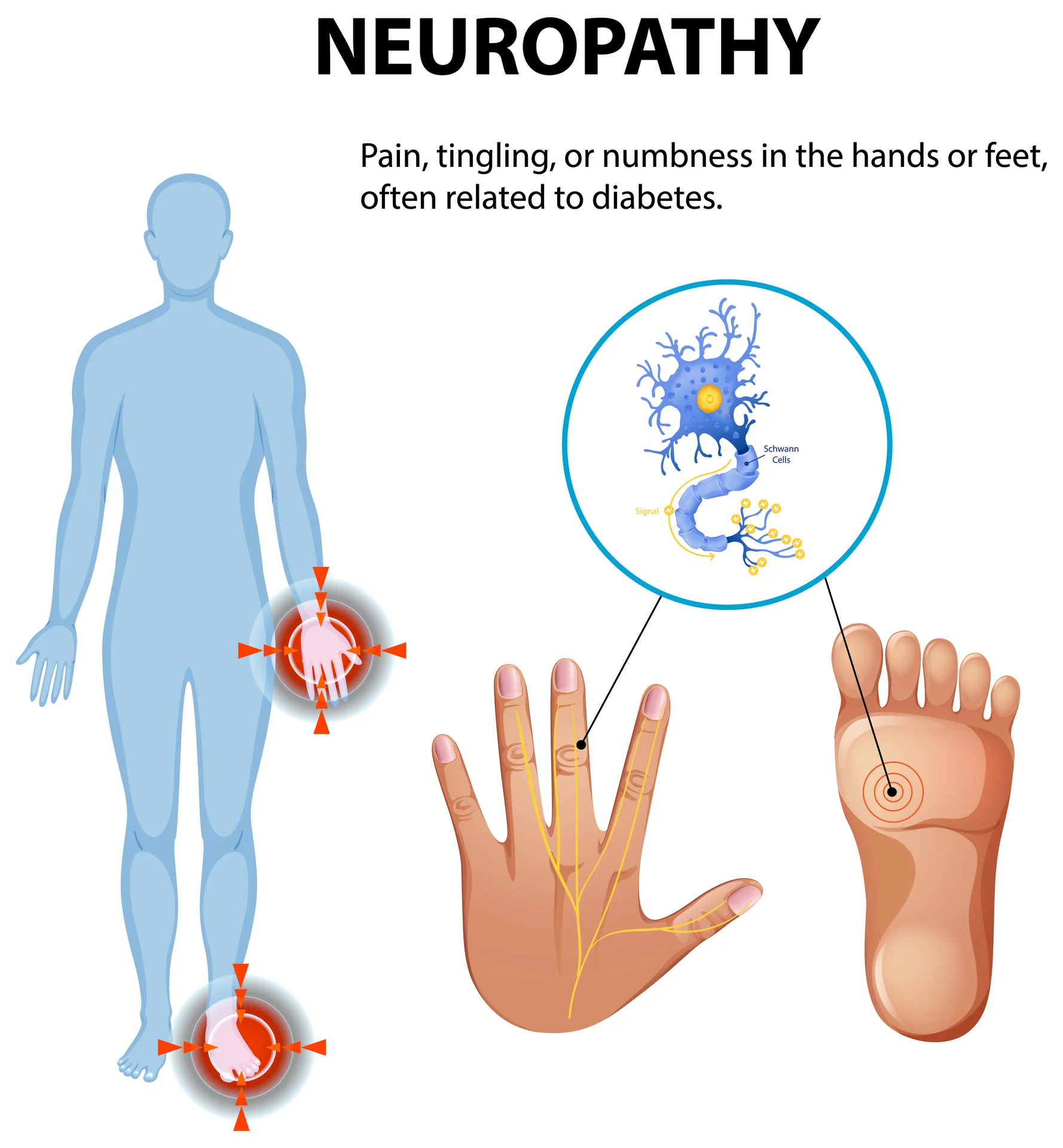
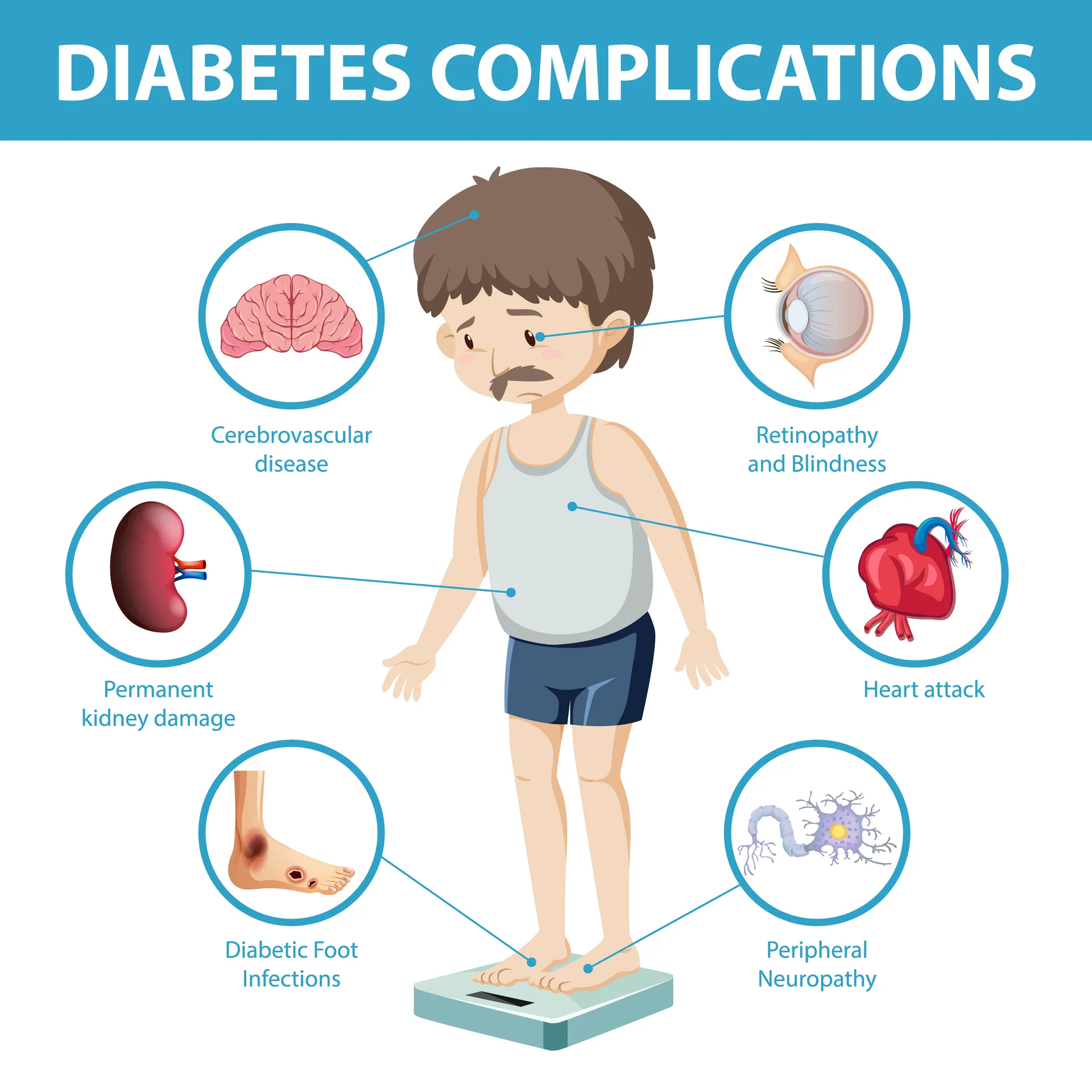
Diabetic Neuropathy is a type of nerve damage caused by diabetes, most commonly affecting the nerves of the feet and legs. It develops gradually when persistently elevated blood sugar levels and other metabolic factors damage nerves and the small blood vessels that supply them. Early recognition and appropriate management can help control symptoms and reduce the risk of further nerve damage.
Although the feet and legs are most commonly affected, diabetic neuropathy can also involve the hands, digestive system and other nerves.
Diagnosis
Diagnosis begins with a detailed medical history and neurological examination.
Your doctor may assess
- 1. Sensation
- 2. Reflexes
- 3. Muscle strength
- 4. Balance
- 5. The condition of the feet.
- 6. Blood Tests - may be performed to assess blood glucose control and rule out other causes of neuropathy, such as Vitamin Deficiencies or Thyroid Disorders.
In selected patients,
1. Nerve Conduction Studies -
A test that measures how quickly and effectively electrical signals travel through peripheral nerves, helping detect and assess nerve damage, its severity and the type of neuropathy.
2. Electromyography (EMG) -
A test that evaluates the electrical activity of muscles and helps identify nerve or muscle dysfunction, including nerve damage affecting the muscles.
3. Quantitative Sensory Testing -
Evaluates sensory nerve function by measuring responses to controlled thermal, vibration or other sensory stimuli.
Treatment
Treatment focuses on controlling the underlying diabetes, managing nerve pain and preventing complications.
1. Lifestyle Management
- Optimizing blood glucose control
- Regular physical activity and appropriate exercise
- Healthy diet and weight management
- Avoiding smoking and excessive alcohol
- Regular foot care and monitoring
2. Medications
- Anticonvulsants - Gabapentin and Pregabalin are commonly used medicines for neuropathic pain and are established treatment options for DPN. They reduce abnormal nerve signalling associated with neuropathic pain.
- Antidepressants - such as Amitriptyline, Nortriptyline & Duloxetine can be effective for neuropathic pain, even when they are being prescribed primarily for their analgesic rather than antidepressant effects.
- Topical Capsaicin: Applied directly to painful areas, capsaicin can help reduce abnormal nerve signalling and relieve localized burning and neuropathic pain. It helps to relieve burning, tingling and hypersensitivity in selected patients with localized diabetic neuropathic pain.
3. Interventional Pain Management
For patients with persistent or difficult-to-control neuropathic pain, selected minimally invasive procedures can be considered depending on the individual pain pattern and underlying cause. These include Targeted Nerve Blocks and Sympathetic Nerve Blocks etc in selected patients.
At AREVA
At AREVA, we provide individualized assessment and pain management for diabetic neuropathy, which can cause burning, tingling, numbness and shooting pain, particularly in the feet and legs. Treatment may include appropriate neuropathic pain medications, lifestyle guidance, foot-care education and selected interventional treatments for persistent symptoms. Our aim is to relieve pain, preserve function and improve quality of life alongside appropriate diabetes management.