
Post Herpetic Neuralgia (PHN)
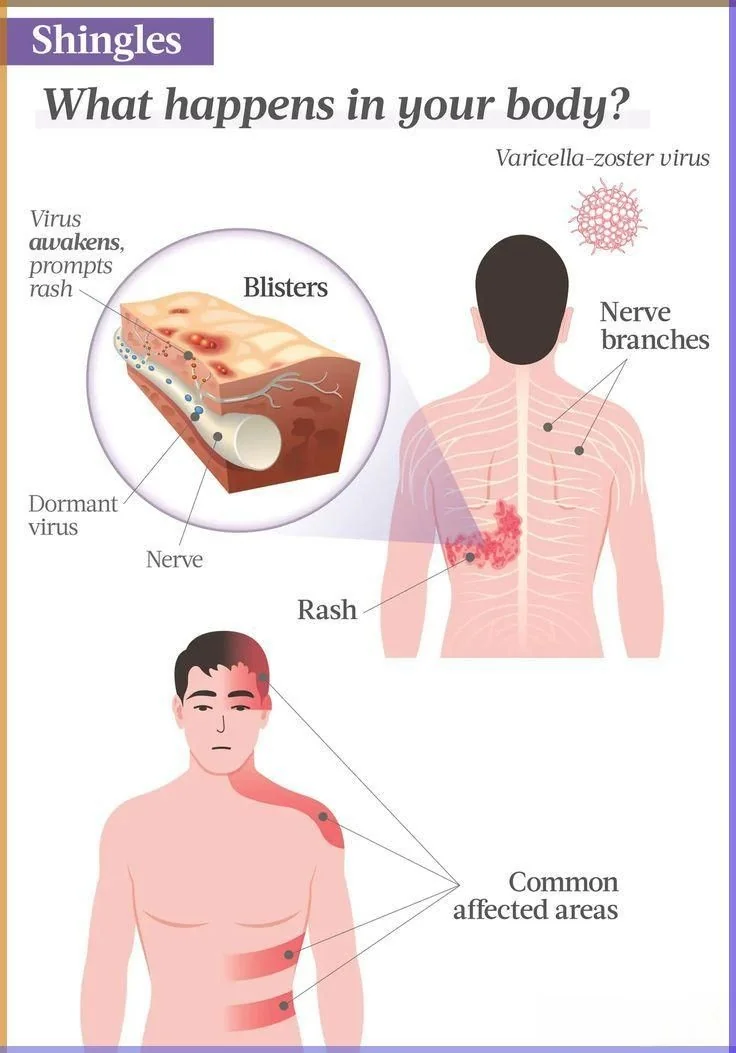
POST-HERPETIC NEURALGIA (PHN)
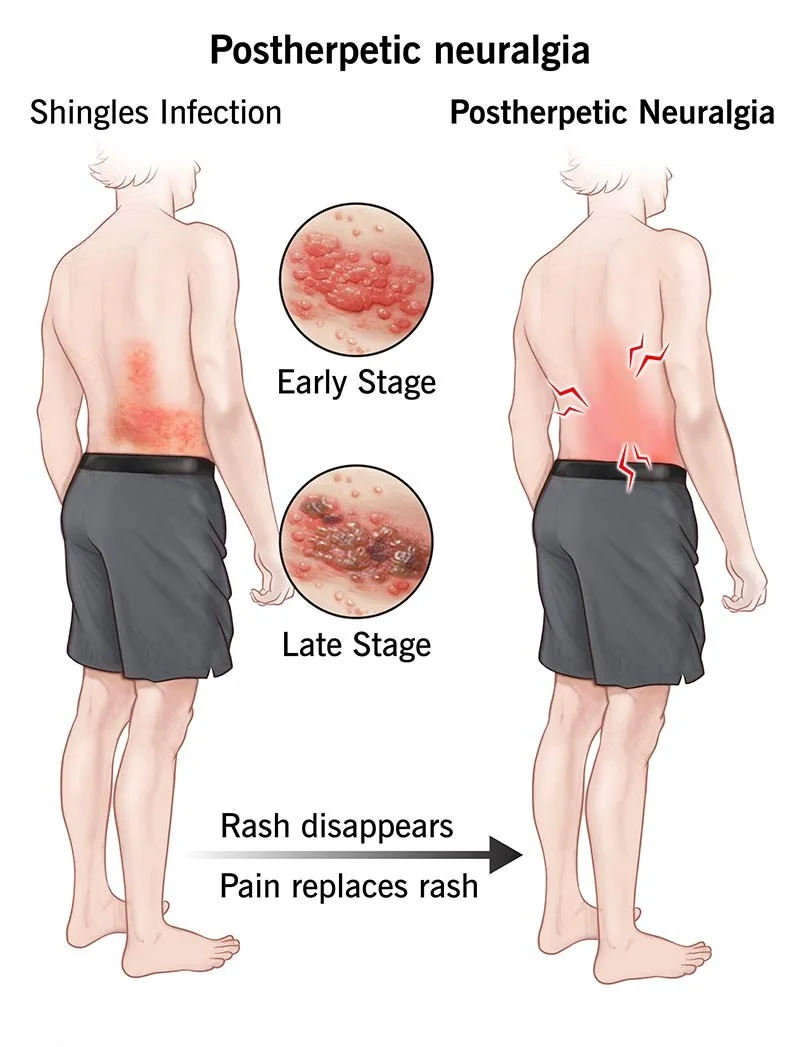
Post-Herpetic Neuralgia (PHN) is a type of chronic nerve pain that can develop after herpes zoster (shingles). It occurs when the varicella-zoster virus, which causes chickenpox and later shingles, damages or irritates sensory nerves.
PHN may continue for months or, in some patients, considerably longer after the skin rash has healed. PHN can significantly affect sleep, physical activity, mood and overall quality of life.
Diagnosis,
Diagnosis is done by detailed medical history & clinical examination, by a pain specialist.
Treatment,
Treatment is individualized according to the location and severity of pain, age, other medical conditions, kidney and liver function, current medicines and response to previous treatments.
Treatment aims to:
- Reduce nerve pain
- Improve sleep
- Reduce sensitivity of the affected area
- Minimize medication adverse effects
- Restore daily functioning
- Improve quality of life
1. Medications
a. Anticonvulsants -
Gabapentin and Pregabalin are commonly used medicines for neuropathic pain and are established treatment options for PHN. They reduce abnormal nerve signalling associated with neuropathic pain.
b. Antidepressants -
such as Amitriptyline, Nortriptyline & Duloxetine can be effective for neuropathic pain, even when they are being prescribed primarily for their analgesic rather than antidepressant effects.
c. Topical Lidocaine 5% Patch -
useful when pain is localized to a relatively small area. A major advantage is that topical treatment can provide local analgesia with less systemic exposure. Current evidence supports topical lidocaine as an adjunctive treatment option.
d. Capsaicin 8% Patch -
Capsaicin works by first exciting and then 'exhausting' the pain receptors in your nerves. Because of this, it will likely cause a severe burning or stinging sensation when you first apply it.
e. Opioid Analgesics -
Opioid medicines may occasionally be considered when other treatments have not provided adequate relief.
2. Interventional Pain Management
If the medications aren't effective, your doctor might suggest some blocks or injections as an Interventional Pain Management. These are minimally invasive procedures, to block pain pathways.
Many treatments are performed as day-care procedures, enabling patients to return home the same day & resume normal activities with minimal downtime.
At AREVA, we specialise in advanced interventional pain management for PHN, using precise, image-guided (C-ARM or IITV) procedures to target the source of pain, providing long-lasting relief in PHN pain.
Our goal: Precise treatment, faster recovery & lasting improvement in quality of life.
a. Intercostal Nerve Blocks -
An intercostal nerve block involves injecting medication around the intercostal nerves that run between the ribs and supply sensation to the chest and upper abdominal wall. It may be considered when PHN causes localized burning, shooting or hypersensitive pain along the affected nerve. The procedure can reduce pain signals and provide relief.
b. Paravertebral Blocks -
A paravertebral block delivers medication into the space alongside the spinal column, targets the nerves as they emerge from the spinal region. It can be useful for post-herpetic neuralgia involving the chest, abdomen or other areas supplied by thoracic nerve roots. It helps in reducing inflammation & interrupting pain transmission from the affected nerves.
c. Epidural Injections -
An epidural injection delivers medication into the epidural space around the spinal nerves to help reduce inflammation and nerve-related pain. It can be considered in patients with PHN, when pain involves a broader nerve-root distribution or remains difficult to control.
d. Pulsed Radiofrequency (PRF) -
Pulsed Radiofrequency is a minimally invasive procedure that uses short bursts of radiofrequency energy near a targeted nerve without intentionally creating a destructive thermal lesion. PRF is designed to modulate abnormal pain signalling from the affected nerve. The procedure is performed with precise image guidance and provides longer-lasting pain relief.
e. Dorsal Root Ganglion-Targeted Procedures -
The dorsal root ganglion (DRG) contains sensory nerve cells that play an important role in transmitting pain signals from the body to the spinal cord. In selected cases of post-herpetic neuralgia, a targeted procedure can deliver treatment close to the affected DRG to modulate abnormal pain signalling. This approach can be particularly useful when pain follows a specific nerve-root distribution and remains persistent despite conservative treatment.
f. Stellate Ganglion Block
A stellate ganglion block involves injecting medication near the stellate ganglion; a group of sympathetic nerves located in the lower neck. It may be considered in selected patients with persistent neuropathic pain involving the head & neck, upper limb or chest, particularly when sympathetic nerve activity is suspected to contribute to the pain. The block temporarily reduces sympathetic nerve activity and may help decrease pain and hypersensitivity.
At AREVA
At AREVA, we provide personalized treatment for post-herpetic neuralgia, a persistent nerve pain condition that can develop after shingles. Treatment is tailored to the severity and location of pain and may include medications for neuropathic pain, topical analgesics, targeted nerve blocks and selected image-guided procedures such as pulsed radiofrequency (PRF). Our goal is to reduce burning pain and hypersensitivity, improve sleep and restore comfort in daily life.