
Fibromyalgia

FIBROMYALGIA
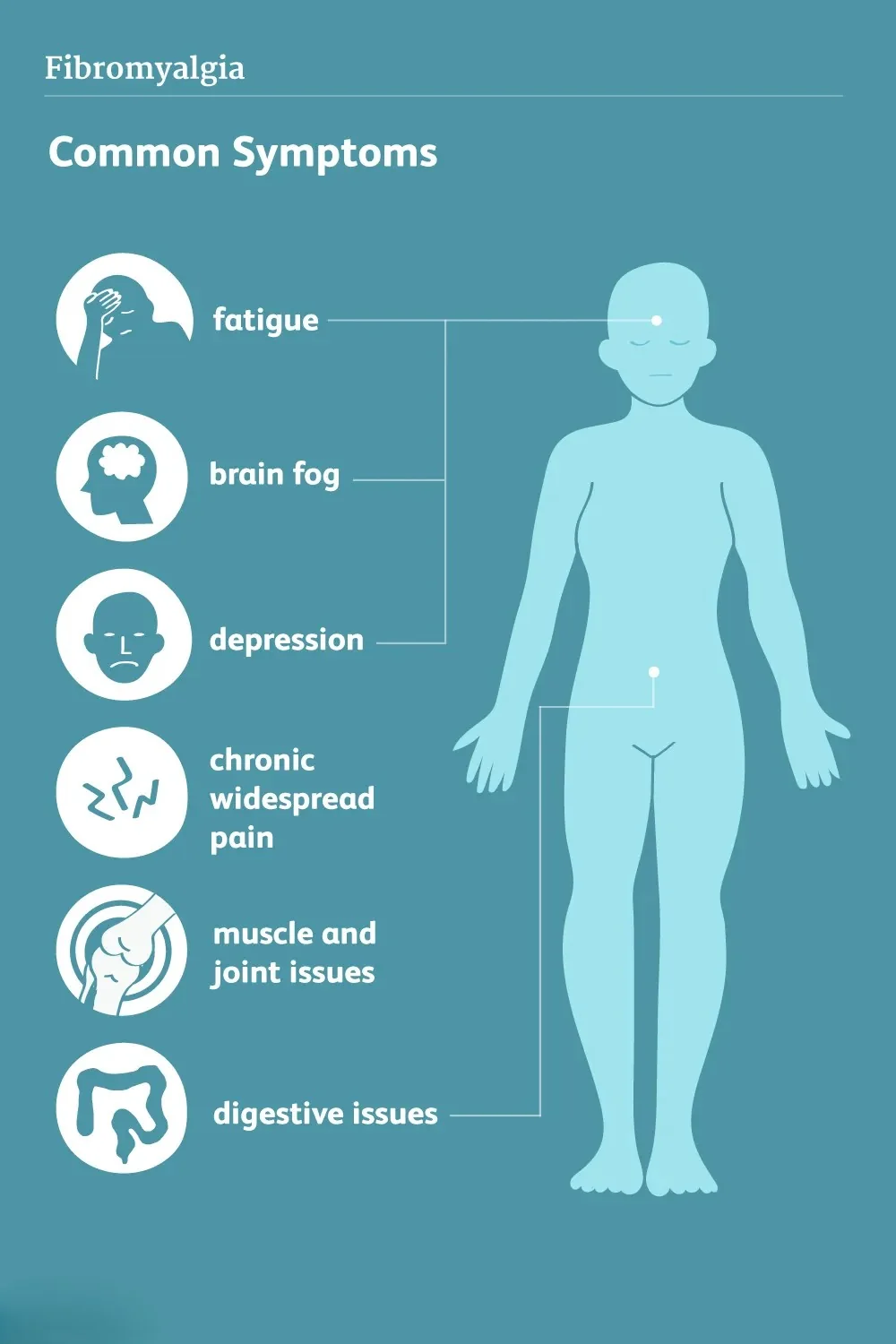
Fibromyalgia or Fibromyalgia Syndrome (FMS) is a chronic pain condition characterized by widespread musculoskeletal pain and increased sensitivity to pain.
It can also be associated with fatigue, non-restorative sleep, difficulty concentrating and other physical symptoms. The condition is thought to involve changes in how the brain and nervous system process and regulate pain signals.
Fibromyalgia can significantly affect physical activity, sleep, work, mood and overall quality of life. Symptoms may fluctuate over time, with periods of increased pain or fatigue known as flares.

Diagnosis,
There is No Single Blood Test, Scan or Imaging Study that confirms Fibromyalgia.
Diagnosis is primarily clinical and is based on the patient's history, symptoms and physical examination.
The doctor evaluates the distribution and duration of pain, associated symptoms such as fatigue and sleep disturbance, and the overall clinical picture.
Blood tests or other investigations may be performed when necessary to exclude conditions that can cause similar symptoms, such as thyroid disorders, inflammatory diseases, vitamin deficiencies or other medical conditions.
1. CBC -
for Anaemia
2. ESR and/or CRP -
evidence of systemic inflammation
3. Serum Vitamin B12 -
particularly if there is neuropathic symptoms, numbness or tingling
4. Serum Vitamin D -
deficiency contribute to musculoskeletal symptoms
5. Serum Calcium, Renal and Liver function
when clinically indicated based on symptoms/history
6. TSH -
for Thyroid Dysfunction
7. ANA -
for Autoimmune Connective-Tissue Disease
8. RF / Anti-CCP -
for Inflammatory Arthritis
9. CK -
for Muscle Weakness or suspected Myopathy
10. Iron Studies / Ferritin -
for Anaemia, Fatigue or Iron Deficiency
Treatment,
There is No single treatment that works for everyone.
Management is usually multidisciplinary and individualized, with the goal of reducing symptoms, improving physical function, supporting better sleep and enhancing quality of life.
1. Exercise & Physical Activity -
Regular, gradually increased aerobic exercise, strengthening and flexibility exercises are important components of long-term management. Activity should be increased progressively according to individual tolerance.
2. Physiotherapy & Rehabilitation -
A structured rehabilitation program can help improve physical function, flexibility, strength and confidence with movement.
3. Sleep Management -
Improving Sleep Quality and treating associated sleep disorders can help reduce fatigue and improve overall symptom control.
4. Medications -
Selected patients may benefit from medications such as Duloxetine, Milnacipran or Pregabalin, depending on symptoms and individual suitability.
5. Stress Management & Psychological Support -
Relaxation techniques, cognitive behavioural approaches and other psychological strategies can help patients manage chronic pain, stress and symptom flares.
6. Lifestyle Measures -
Maintaining regular sleep and meal schedules, pacing daily activities, avoiding prolonged inactivity and gradually building physical activity can help improve day-to-day functioning.
7. Pain Management -
Selected patients with significant regional or coexisting pain may require evaluation for another underlying pain generator. Targeted interventions may be considered when a specific treatable source of pain is identified.
At AREVA
At AREVA, we assess patients with widespread or persistent pain to determine whether fibromyalgia or another underlying pain condition may be contributing to their symptoms. Our approach focuses on accurate diagnosis, education, physical rehabilitation, appropriate medication management and treatment of any coexisting or identifiable pain generators, with the goal of improving function and quality of life.