
Neuropathic Pain
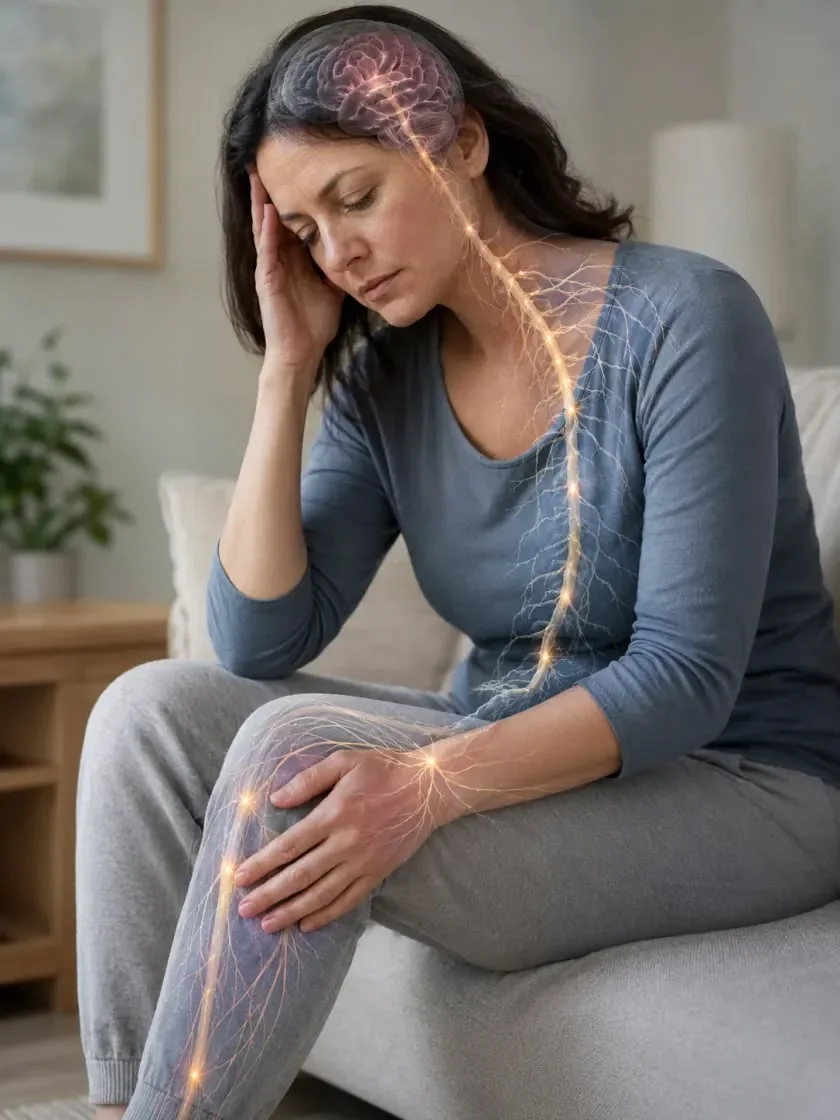
NEUROPATHIC PAIN
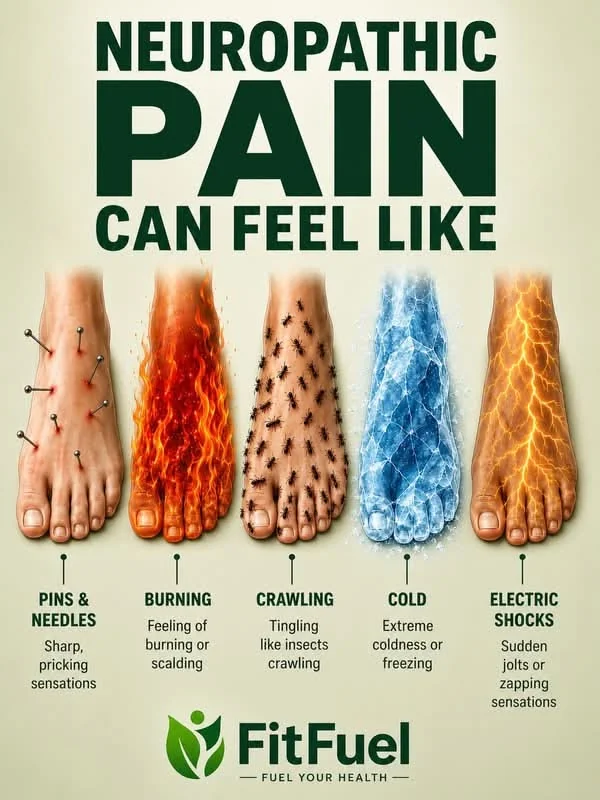
Neuropathic pain is a type of pain caused by damage, irritation or dysfunction of the nerves or the nervous system. Unlike pain caused mainly by muscles, joints or tissues, neuropathic pain results from abnormal nerve signalling. It may be felt as burning, electric-shock-like, shooting, stabbing or tingling pain, and may occur with numbness or increased sensitivity to touch.
Diagnosis,
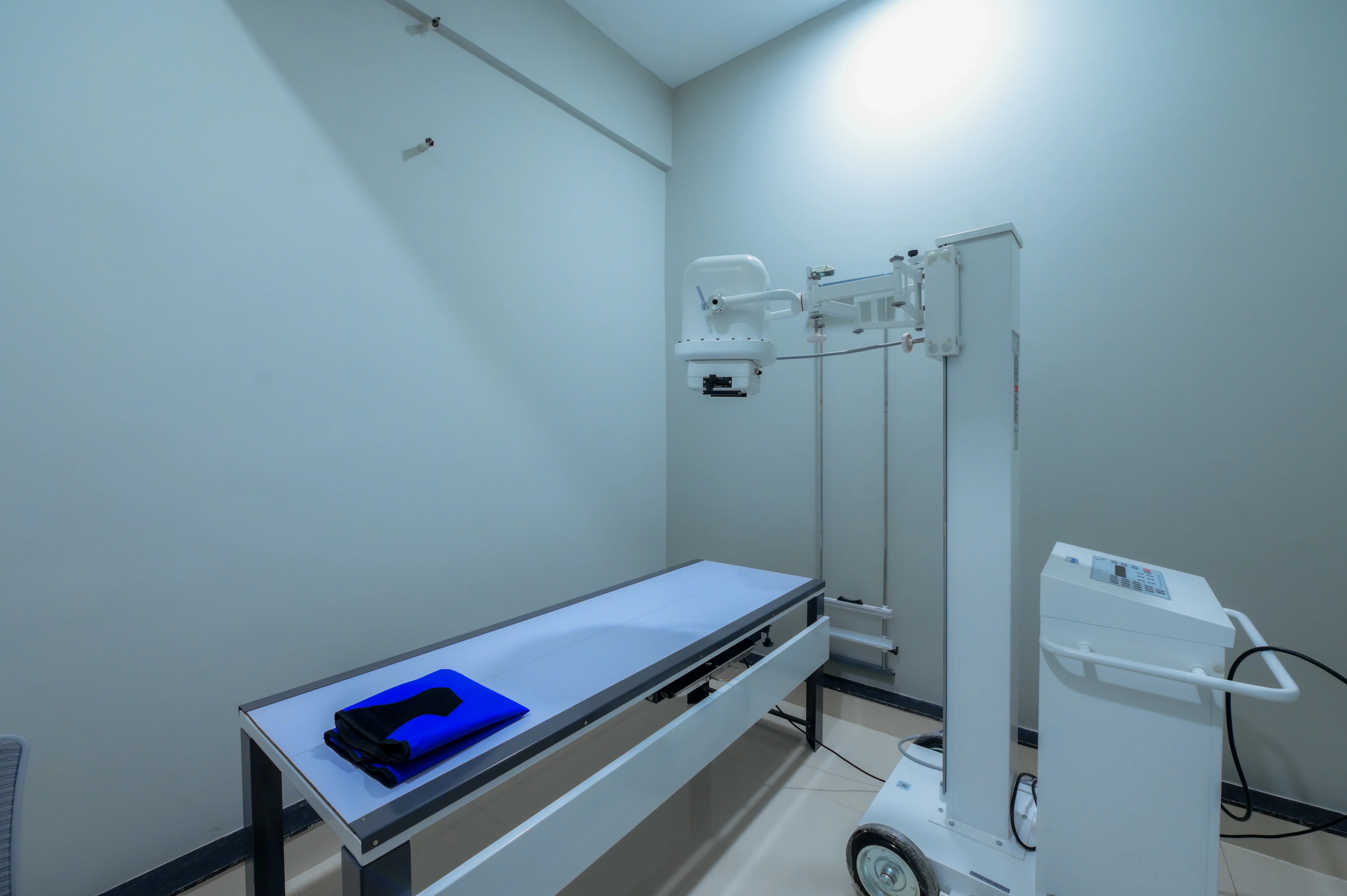
Diagnosis is based primarily on a detailed medical history and neurological examination. The doctor evaluates the location, quality and pattern of pain, sensory changes, muscle strength and reflexes.
Depending on the suspected cause, investigations may include
- MRI
- Blood tests
- Nerve Conduction Studies (NCS) - A test that measures how quickly and effectively electrical signals travel through peripheral nerves, helping detect and assess nerve damage, its severity and the type of neuropathy.
- Electromyography (EMG) - A test that evaluates the electrical activity of muscles and helps identify nerve or muscle dysfunction, including nerve damage affecting the muscles.
- Quantitative Sensory Testing - Evaluates sensory nerve function by measuring responses to controlled thermal, vibration or other sensory stimuli.
It is important to Identify the underlying cause because treatment depends on the type and source of nerve pain.
Treatment,
1. Treating the Underlying Cause, Managing the condition responsible for nerve damage.
- a. Diabetes Control
- b. Treat the Nerve Compression
- c. Correction of Nutritional Deficiencies
- d. Management of shingles
- e. Management of other underlying neurological conditions
2. Physiotherapy & Rehabilitation, improves movement and reduce the impact of chronic nerve pain.
- a. Targeted physiotherapy
- b. Strengthening
- c. Mobility exercises and functional rehabilitation
3. Medications
a. Anticonvulsants - Gabapentin
and Pregabalin are commonly used medicines for neuropathic pain and are established treatment options for Neuropathic pain. They reduce abnormal nerve signalling associated with neuropathic pain.
b. Antidepressants -
such as Amitriptyline, Nortriptyline & Duloxetine can be effective for neuropathic pain, even when they are being prescribed primarily for their analgesic rather than antidepressant effects.
c. Topical Capsaicin -
Applied directly to painful areas, capsaicin can help reduce abnormal nerve signalling and relieve localized burning and neuropathic pain.
4. Interventional Pain Management
If the medications aren't effective, your doctor might suggest some blocks or injections as an Interventional Pain Management. These are minimally invasive procedures, to block pain pathways. Many treatments are performed as day-care procedures, enabling patients to return home the same day & resume normal activities with minimal downtime.
At AREVA, we specialise in advanced interventional pain management for PHN, using precise, image-guided (C-ARM or IITV) procedures to target the source of pain, providing long-lasting relief in PHN pain.
Our goal: Precise treatment, faster recovery & lasting improvement in quality of life.
a. Nerve Blocks -
Targeted injections of local anaesthetic and/or other medications around an affected nerve to reduce pain signals. They may provide therapeutic relief and can also help identify the nerve contributing to the pain.
b. Epidural Injections -
Medication is precisely delivered into the epidural space around irritated or inflamed spinal nerves. These injections may help reduce nerve inflammation and pain associated with conditions such as radiculopathy and spinal nerve compression.
c. Sympathetic Blocks -
Image-guided injections targeting specific sympathetic nerves or ganglia to reduce abnormal sympathetic pain signalling. They may be considered for selected neuropathic and sympathetically mediated pain conditions.
d. Radiofrequency (RF) Procedures -
Controlled radiofrequency energy is applied to selected nerves to reduce or modulate abnormal pain transmission. Depending on the condition and target, RF techniques provide longer-lasting pain relief in appropriately selected patients.
e. Other Targeted Image-Guided Interventions -
Depending on the underlying condition and affected nerve, other minimally invasive procedures may be considered
- Selective Nerve-Root Procedures
- Peripheral Nerve Interventions
- Ganglion Blocks
- Neurolytic Procedures
At AREVA
At AREVA, we evaluate the underlying cause and characteristics of neuropathic pain and develop a personalized treatment plan. Where appropriate, we combine medication, rehabilitation and minimally invasive, image-guided pain procedures to reduce pain, improve function and help patients return to their daily activities.