
Plantar Fasciitis (Heel Pain)
Plantar Fasciitis (Heel Pain)
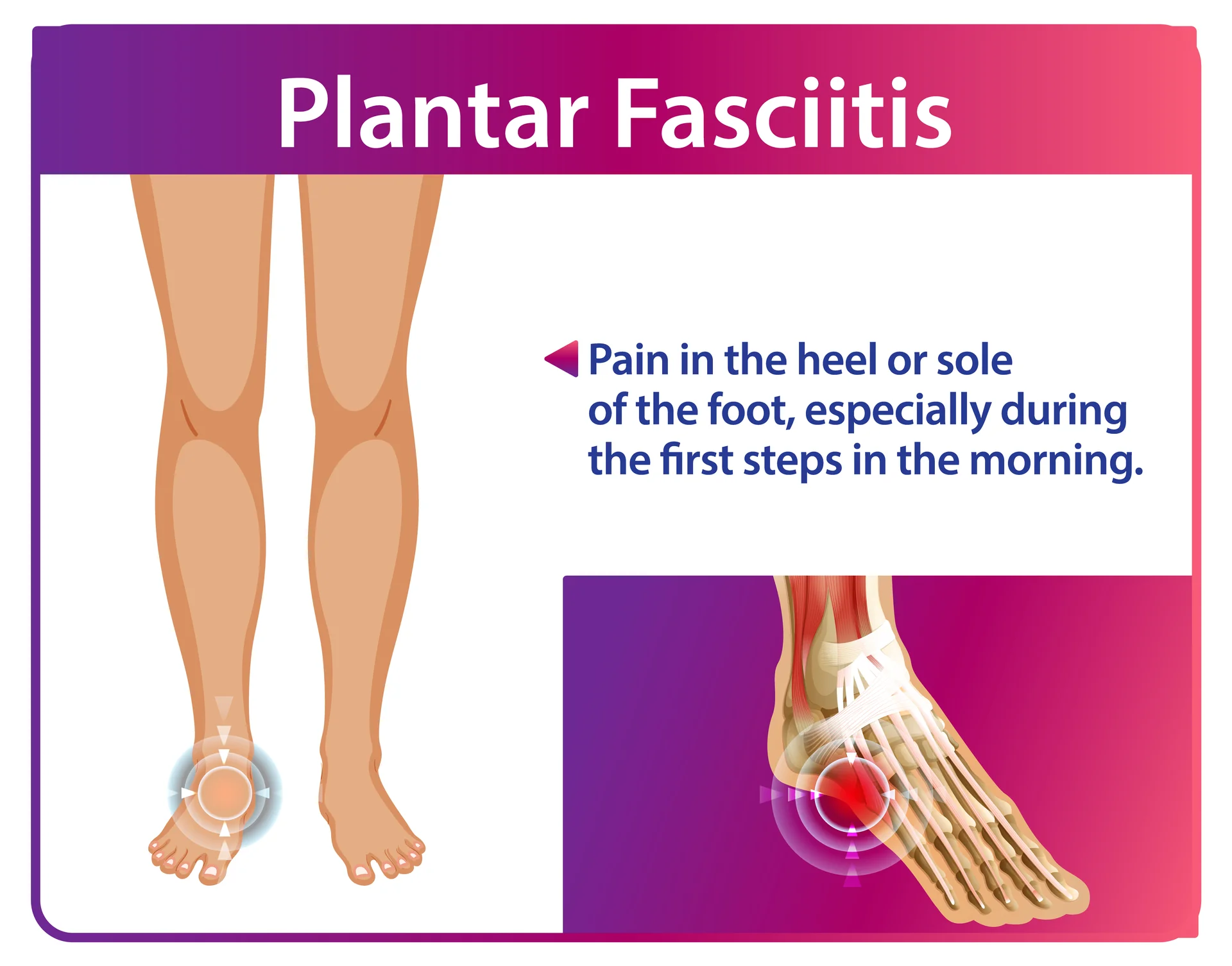
Plantar fasciitis is a common cause of heel pain that occurs when the plantar fascia, a thick band of connective tissue running along the bottom of the foot, becomes irritated. This tissue supports the arch of the foot and helps absorb stress during walking and running. Pain is typically felt near the bottom of the heel and is often most noticeable with the first few steps in the morning or after sitting for a prolonged period.

Diagnosis
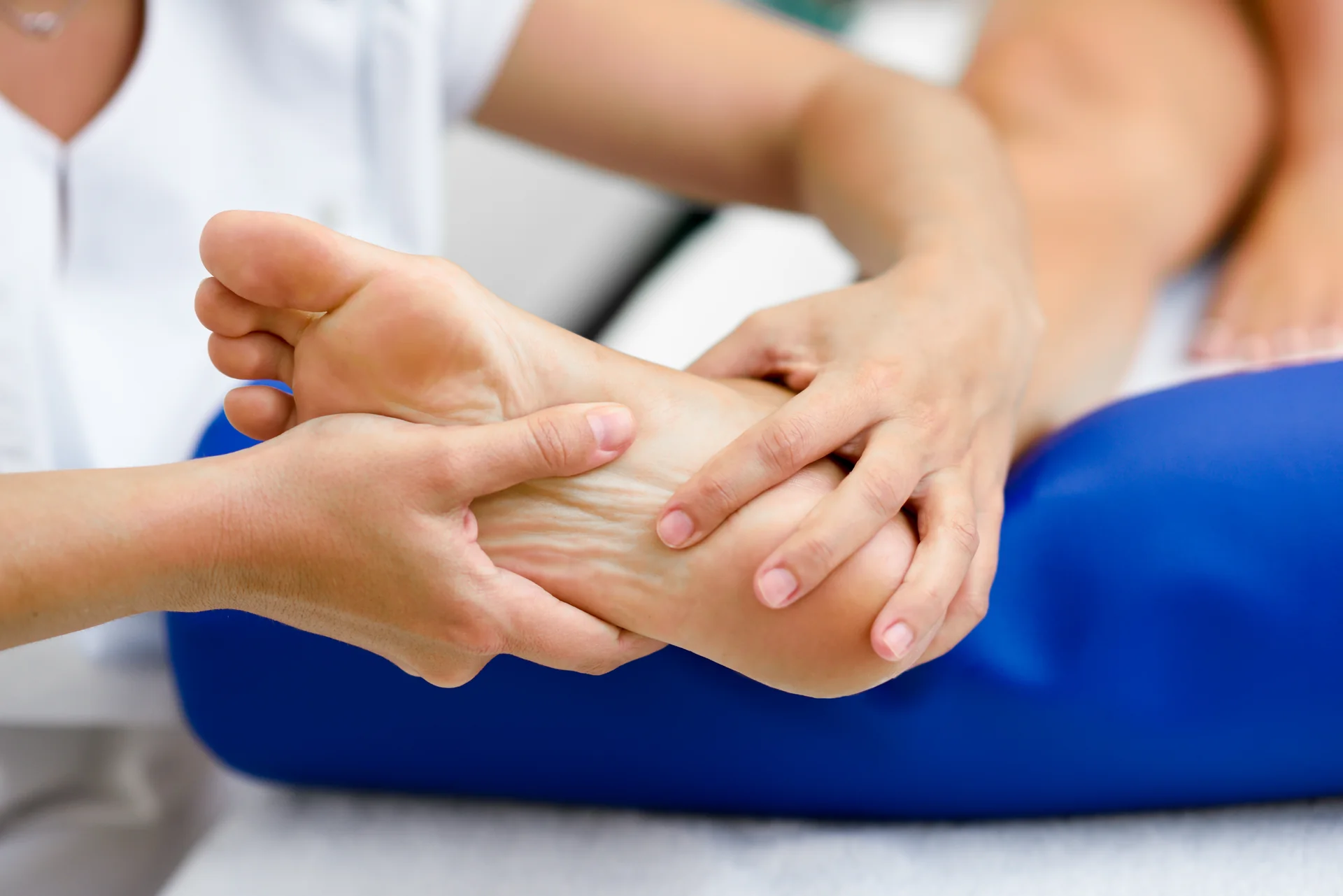
Diagnosis is usually based on the patient's symptoms and a physical examination. The clinician assesses the location of heel tenderness, foot structure, ankle flexibility and pain during movement or stretching of the plantar fascia. X-rays may be used when another cause of heel pain is suspected, while ultrasound or MRI may be considered in persistent or atypical cases.
Treatment
1. Conservative Treatment
Most patients improve with conservative treatment, although recovery may take several weeks or months.
a. Activity modification:
Temporarily reduce activities that aggravate heel pain while maintaining comfortable, low-impact movement.
b. Medications:
Short-term pain-relieving or anti-inflammatory medication may be appropriate for selected patients.
c. Stretching exercises:
Stretch the plantar fascia and calf muscles to reduce tension and improve flexibility.
d. Physiotherapy:
Individualized exercises and rehabilitation to improve foot and ankle function.
e. Supportive footwear and orthoses:
Cushioned shoes, heel cups or arch supports may help reduce stress on the heel.
f. Ice therapy:
Applying a cold pack or gently rolling the sole over a cold bottle may help relieve pain.
2. Interventional Pain Management
If conservative treatment isn't effective, your doctor might suggest you some Image-guided injections.
a. Corticosteroid Injections:
These injections deliver medication precisely around the plantar fascia or other targeted structures near the heel. In selected patients with persistent plantar fasciitis, by reducing inflammation these injections help reduce pain and improve walking comfort. The injection is often performed image-guided (C-ARM or IITV) to accurately position the needle. By reducing inflammation, it can help improve pain, joint movements & day-to-day function.
b. Platelet Rich Plasma (PRP):
Patient's own blood platelets to support the body's natural healing response, In selected patients. A small amount of blood is collected and processed to separate the platelet-rich plasma, which is then injected around the plantar fascia, usually under image (C-ARM or IITV) guidance.
The growth factors and other biological mediators present in platelets help modulate inflammation and support the local healing environment.
At AREVA
At AREVA, we evaluate persistent heel pain to identify its likely cause and develop an individualized treatment plan. Depending on the diagnosis and severity, treatment may include medication, stretching and rehabilitation guidance, and selected image-guided interventions. Our goal is to reduce heel pain, improve walking comfort and help patients return to their daily activities.